Author: admin

  • Audio Storytelling Summary

    This post is my summary of the first audio storytelling genre for ds106. The assignment required creating several audio projects, including a mandatory “Spooky Season” story and enough other assignments to total at least 9 stars. After creating each piece, I posted them to my blog and have collected them all here, along with a final reflection on the process.

    Part I: My Audio Assignments

    1. Spooky Season (4 Stars)

    • [Spooky Season]
    • This was the required assignment to create a 20+ second spooky story. I created a scene of someone walking in the rain and entering a haunted house.

    2. Make Noise From a Normal Sample (3 Stars)

    [Cat Meow into Industrial Noise]

    • For this assignment, I took a simple sound of a cat meowing and completely transformed it using distortion, reverse, and echo effects in Audacity.

    3. All the Relaxation (2 and a half Stars)

    • [Relaxation]
    • The goal here was to create a loopable, relaxing soundscape. I layered sounds of wind, rain, and a spontaneous bird call to build a peaceful natural scene.

    Part II: My Reflection

    This was my first time diving deep into audio editing, and it was a really interesting experience.

    • What did you learn? I learned the fundamentals of working with a digital audio workstation (Audacity). The most important skill I picked up was audio layering; learning that you build a “soundscape” by putting different tracks on top of each other. I also learned how to use the Time Shift tool to control when sounds happen, which was key for the Spooky Season story.
    • What drove you crazy? Why? The SoundCloud copyright bot. That was easily the most frustrating part. I used sounds from freesound, but my Spooky Season story still got flagged and taken down immediately. It drove me crazy because I was following the rules, but the automated system didn’t care. It was a good lesson in why you need a backup plan, and I was relieved I could just upload the MP3 directly to my blog.
    • What was harder than you thought it would be? Making something sound good was harder than I expected. It’s easy to drag and drop 10 sounds on top of each other, but it just sounds like a mess. The “All the Relaxation” assignment was a good example. I had to adjust the volume levels and use fades to make the wind, rain, and bird calls sound natural together, rather than just being a wall of noise.
    • What was easier? Honestly, getting started with Audacity was easier than I thought. It looks intimidating, but for these assignments, I only needed to know a few tools: the Selection tool, the Time Shift tool, and the “Effect” menu. The “Make Noise From a Normal Sample” assignment was really fun and surprisingly easy; just layering effects like Distortion and Reverse created a cool result really fast.
    • What did you enjoy? Why? I really enjoyed the “Make Noise” assignment. It felt like pure experimentation. There was no “right” answer, and it was a lot of fun to take a normal cat meow and completely destroy it with effects until it sounded like something from an industrial or sci-fi movie. It was a great way to learn what all the different effects do without any pressure.
  • Relaxation

    For this audio assignment, I completed “All the Relaxation.” The goal was to create a loopable, layered soundscape that you could listen to for a long time to relax.

    I used Audacity to build a calming, nature-based scene.

    1. Base Layer: I started with a long, steady track of light wind to create the main atmosphere.
    2. Spontaneous Sound: To make the scene feel more alive, I added a “spontaneous sound” as the prompt suggested. I used some bird calls, placing it in the track so it feels like a natural, random event.
    3. Layered Sound: A bit after the bird call, I slowly faded in a track of gentle rain.

    I used the Time Shift tool and fade in tool to make sure the sounds didn’t just stack on top of each other, but rather flowed from one to the next. The wind is consistent, the bird call is a single event, and then the rain builds up, creating a full and peaceful audio environment.

  • Cat Meow into Industrial Noise

    For the “Make Noise From a Normal Sample” assignment, the goal was to take a simple, everyday sound and warp it in Audacity until it was completely unrecognizable.

    My original sound was a short clip of a cat meowing. It’s a very normal and familiar sound.

    To transform it, I put it through a four-step process. First, I used the “Reverse” effect to make it play backward. Then, I used the “Change Speed” effect to slow the entire clip down, which made it much lower and more ominous. After that, I added an “Echo” effect. Finally, I applied the “Distortion” effect to add that gritty, noisy, and industrial texture.

    The final result is a super loud sound that, unless told, youd likely would have no idea it originated from a cat!

  • The Spooky Season

    For my “Spooky Season” audio assignment, I created this short 22-second story using Audacity. My goal was to build a suspenseful atmosphere like you’d find in an old horror movie.

    For this story, its fairly simple. Somebody is sleeping soundly during a storm outside. Then, footsteps climbing up a staircase can be heard. The door creeks open, followed by some footsteps. Lastly, a muffled scream is heard, followed by a crunch sound that seals the person’s fate.

    Unfortunately when I tried to place my created sound onto sound cloud, it had it content-blocked. I had put a lot of effort into finding these clips and putting them together, that I really did not want to completely redo my entire story. So I attached it manually to this page.

  • Audio Week Summary

    This week I learned why and how audio adds so much with so little on a screen. Ira Glass’s short talks on storytelling gave me simple rules to follow in order to achieve this affect. On top of that, Spooked showed how these rules feel in a finished piece.

    Ira Glass

    Ira Glass Reflection

    Ira Glass showed how to build a chain of actions and keep a clear question pulling the listener forward; cut anything that doesn’t raise or advance that question; talk like a person, not “radio voice”; accept the gap between your taste and your early work and close it by making lots of finished pieces.

    Spooked

    Episode: Did my Reflection Reveal Something Sinister?

    Spooked Reflection

    In this episode, I heard clear anecdote-plus-question and a close-mic narration. All of this helps to build tension without cheap jumps, or any image at all (If you utilize it as a podcast, and not watch the video.)

    Q&A

    What did you learn?
    That momentum in audio comes from action + a driving question, not always fancy editing. If a moment doesn’t push the question, it’s likely unimportant. Conversational delivery builds trust, and the only way past the taste/skill gap is to finish more pieces.

    What was harder than you thought it would be? Why?
    Hearing (and naming) the layers was something I perceived as difficult. When music beds rise or disappear, when silence is used on purpose, and how ambience changes feel all aid this notion. It takes focused, no-distraction listening to notice those choices. I feel like this is something I’d struggle implementing correctly.

    What was easier than you expected? Why?
    Spotting the question once I listened actively. After Glass’s framework, I could hear exactly where the episode planted the mystery and how each beat pulled it forward.

    What drove you crazy? Why?
    The urge to multitask while listening. If I glanced at my phone, I missed a small production choice, and the scene lost impact. Focus matters with audio. This is likely audio’s greatest weakness, as it relies on both the audio having a grand hook, and the listener to actually be hooked.

    What did you enjoy? Why?
    The way silence + close voice can land a reveal harder than any loud sting. That restraint in Spooked is what makes the story feel real rather than theatrical.

  • Spooked: Did My Reflection Reveal Something Sinister? What I heard and how it works

    I listened to the Spooked video “Did my Reflection Reveal Something Sinister?” The premise is simple, yet effective: a glance into the mirror shows a face that isn’t the narrator’s, causing both him and us to wonder “What did he see?” That single question drives the piece. Spooked’s whole brand is to tell horror stories in the first person, hosted by Glynn Washington.

    The story follows the “anecdote, then reflection/question, then next beat” chain Ira Glass mentioned. The narration is close mic’d, so you feel like he’s directly talking to you. The pulsing- type of music aids in providing a suspense. He talks fast in the climax of the podcast to amp up the terrifying realization, then talks slower to really get the listener on the edge of their seats; afraid.

    Audio alone can sell fear when structure and layering are deliberate. The piece reminded me to keep on clear question in the forefront and to use contrasting music to signal beats. Next time I ever make an audio post, I’ll make sure to design my post around a single question as to not overwhelm the listener, and then pick a tone that rightfully matches the atmosphere. Spooked really makes you feel as if you’re part of the action; that is the kind of affect I want to have on my own listeners.

  • What I learned from Ira Glass on Audio Storytelling

    Audio is all around us; a voice, room tone, a question, etc, and now you can imagine a story in our heads. Ira Glass explains why that works and how to build it on purpose. I watched his three short videos from the classic “On Storytelling” series, gaining a lot of valuable insight.

    Glass says structure is simple but strict. You should build a chain of actions and keep a clear question pulling the listener forward. Anything that doesn’t raise or advance that question should not be used. He’s blunt that the hardest part of the job is finding a story with actual momentum, and not just polishing one that doesn’t have it. Delivery should also be conversational, and you should expect a gap between your early work and expectations; the only bridge is making lots of finished pieces.

    Utilizing Glass’s “anecdote + question” test gives me a pretty good filter I can use immediately whenever I plan or edit. For example, if a beat doesn’t push the question, I should simply not use it. I should also continuing to sound like myself, however keeping the scripts tighter and my reads less stiff. I suppose the biggest mind shift is the gap; instead of judging my first tries, I’ll ship more and faster with a focus on momentum and layering.

  • Design Week Summary

    This week was all about making clear design choices to make actual storytelling pieces; Just posters and a cover that work at a glance.

    Part I – Links to my 3 Design Assignments

    What did you learn?

    That simple, deliberate choices beat “busy.”

    • For the motivational poster, a low horizon, breathing room, and one clean line of type can set the whole mood.
    • For the event poster, friendly centered type + a warm field = instant readability (people should know what/when/why in one glance).
    • For the magazine cover, realism hinges on matching scale, light, and a soft shadow rather than piling on effects.
      Here, I learned to pick the message first, then make type, color, and space serve it.

    What was harder than you thought it would be? Why?

    The composite on the magazine cover. Figuring out how to cut myself out of a picture without anything unneeded took lots of small tweaks. Trying to figure out a good contrast for the picture was rough too; one pixel too bright and it looked pasted on.

    What was easier than you expected? Why?

    The motivational poster. Once the line “Let the tide carry the noise away” was set, the layout practically designed itself—low horizon, centered title, and done. GIMP had a built in blur effect that did most of the heavy lifting.

    What drove you crazy? Why?

    What drove me crazy was trying to figure out the best way to pose the motivational poster. At first, I was going to do a simply blur and add a white text box so that the words didnt blend into the back-ground. However, I was unable to figure out how to do this. So instead, I blurred the edges, which made the text at the bottom really stick out.

    What did you enjoy? Why?

    I really liked to change the color and mood work on the beach images. Tiny shifts (warmth, edge blur, saturation) changed the feel immediately, and seeing that happen in real time was satisfying. I always find messing with the presets fun!

    Conclusion

    Through the three design projects, I learned a lot of practical use case for my skills. For example, deciding what you want people to notice, give it space, and let the rest get out of the way. Hopefully I can continue to use these skills further in my life!

  • Catch of the Week

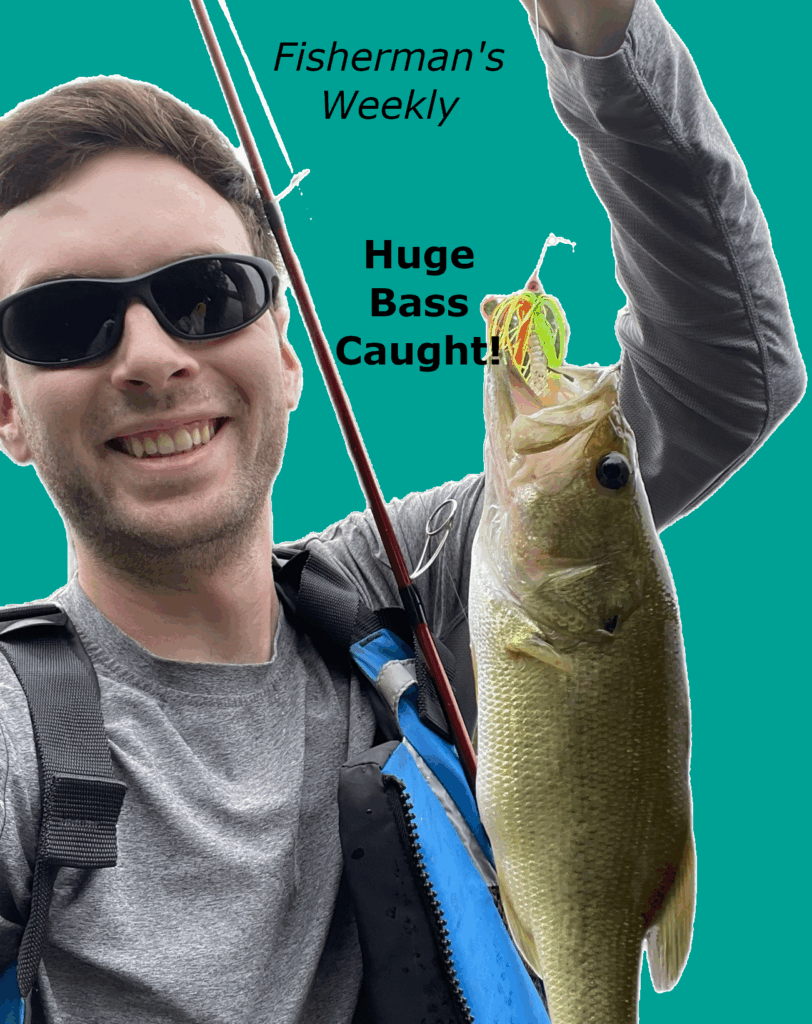
    This cover tells a small story: the day I landed a bass worth bragging about and finally had a photo that didn’t look like “the one that got away.” It’s the mix I really liked; little victory and a lure that actually did its job.

    For the layout, I cut myself out clean and dropped the portrait on a solid teal so the fish pops. The masthead sits up top where it belongs; the cover line is a blunt “Huge Bass Caught!” because that’s the hook. Type stays simple: one family, a couple sizes, high contrast. A soft background grounds the figure so it doesn’t float, and the rod line becomes a natural diagonal that adds to the fishing-theme.

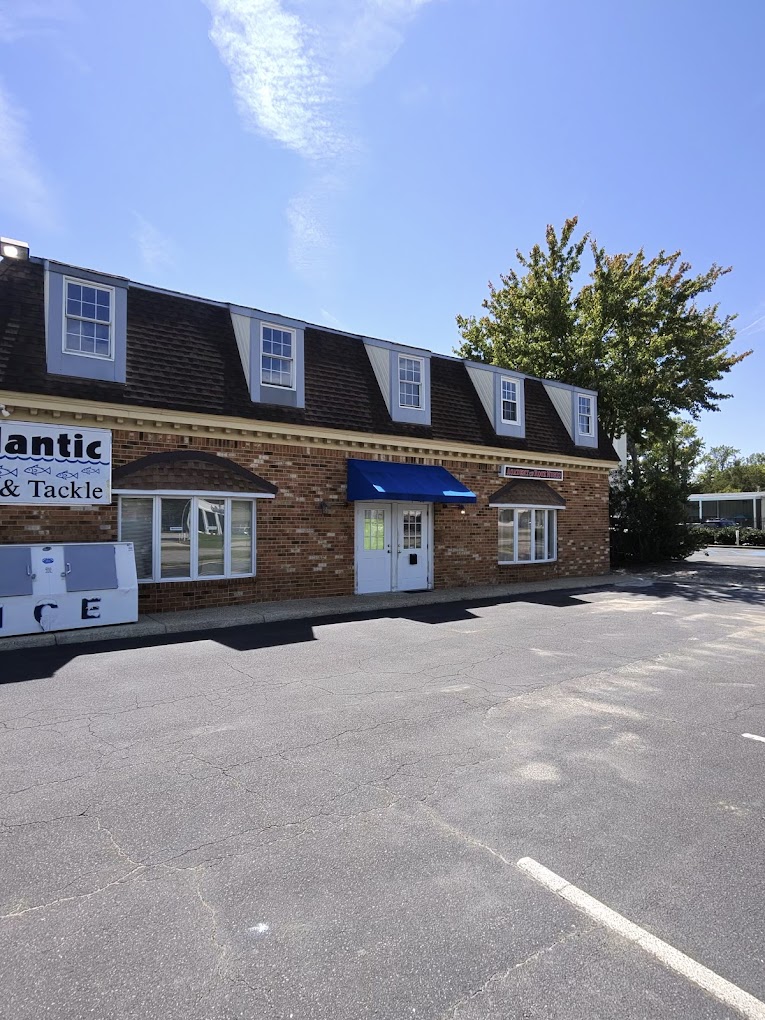
    If you want to grab an issue, here’s the location of the only shop that sells it!

    https://share.google/htj37FTSS3zaILDPS

    Covers are promises. This one promises a quick hit of why we fish: moments you can hold up with one hand and remember with both. Next time I’d add two smaller blurbs; bait choice and location conditions to sell the issue, but this shot already does most of the talking.

  • Beach Cookout Today

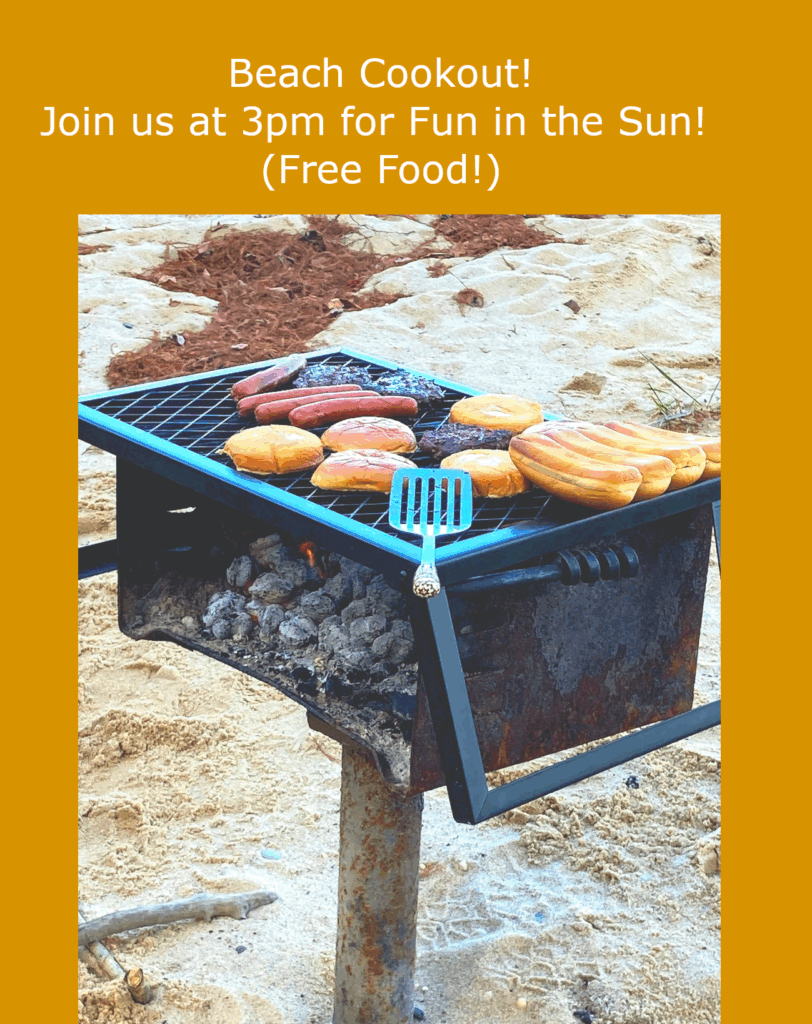
    This poster started as a text thread: “Grill at 3” No branding team, no committee; just friends, a shore, and a spatula! I wanted the poster to match that vibe: warm, obvious, zero pretension.

    I framed the grill close to make the food the star, then set it against a deep sand-gold field so the whole thing reads sunny even indoors. The headline is big and friendly, centered like a loud, clear invite. The details stay short; who, when, why to show up (free food).

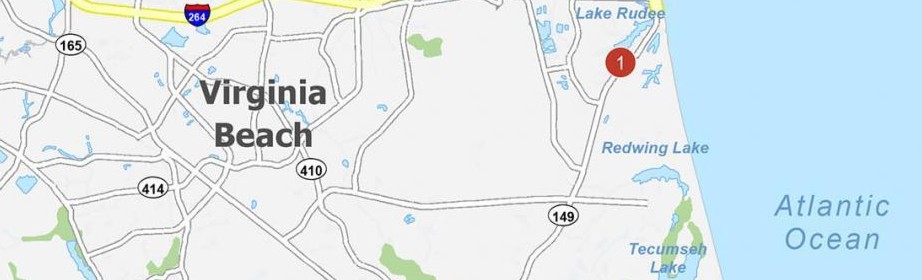
    Here’s the location of the beach if you can attend!

    It’s not meant to live in a museum; it’s meant to work. You glance, you get it, you go. If I printed this, I’d keep the margins wide so it looks clean on a wall and add a tiny map link or QR in the corner. Everything else can stay simple; like the cookout.